
How Computer Science Shapes the Future
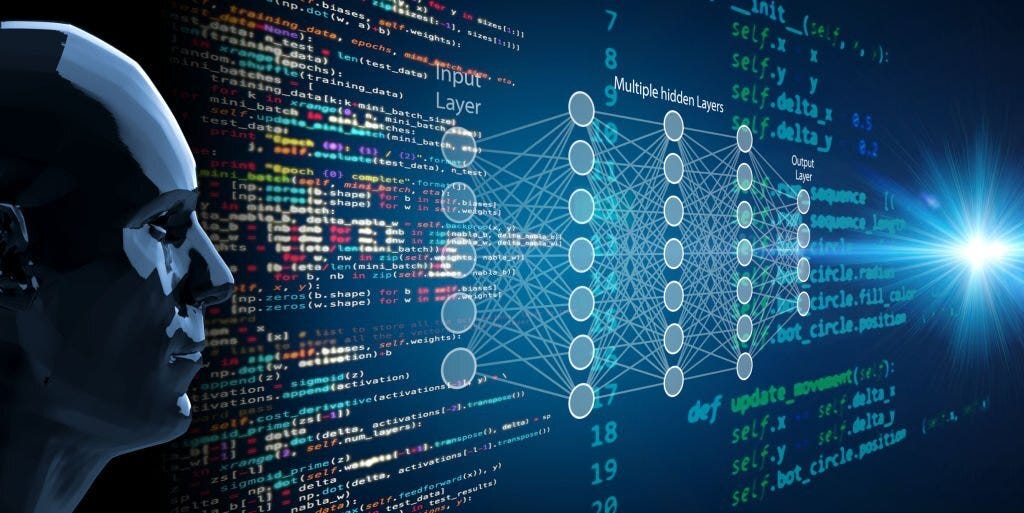
The world stands at the threshold of unprecedented transformation, and at its core lies future computer science. As technology advances at breathtaking speed, it continuously redefines how humanity lives, learns, and interacts with the environment. This discipline has moved beyond academic theory, evolving into a driving force behind societal and industrial revolutions.
Accelerating Innovation in Every Industry
Healthcare, finance, transportation, and entertainment are being reshaped by future computer science. In hospitals, AI-powered diagnostics detect illnesses earlier than traditional methods. Financial institutions deploy algorithms to predict market fluctuations and safeguard transactions. Meanwhile, autonomous vehicles promise safer roads, and streaming platforms deliver hyper-personalized content with remarkable accuracy.
The unifying thread across these innovations is the capacity of future computer science to integrate intelligence and efficiency into everyday life, making processes smarter and outcomes more impactful.
Enabling Artificial Intelligence and Machine Learning
The rise of artificial intelligence (AI) and machine learning is inseparable from advancements in future computer science. These technologies allow systems to learn, adapt, and make decisions, mirroring cognitive abilities once thought exclusive to humans.
From virtual assistants that understand natural language to predictive models optimizing global supply chains, future computer science provides the foundation for these capabilities. The implications stretch from mundane conveniences to life-altering breakthroughs in research and development.
Building Sustainable Technologies
As environmental challenges intensify, future computer science plays a pivotal role in crafting sustainable solutions. Energy-efficient algorithms, smart grids, and predictive climate modeling enable societies to reduce carbon footprints and manage resources responsibly.
This symbiosis between technology and ecology demonstrates that progress need not come at the planet’s expense—future computer science offers pathways toward harmony between innovation and sustainability.
Transforming Education and Access to Knowledge
Education has been revolutionized by digital platforms, a transformation powered by future computer science. Online classrooms, AI tutors, and immersive learning environments bridge gaps between learners and knowledge, regardless of geography.
By democratizing education, future computer science empowers individuals worldwide to access opportunities once reserved for a privileged few, fostering a more inclusive and skilled global workforce.
Securing the Digital Landscape
With greater connectivity comes heightened vulnerability. Cybersecurity stands as one of the most pressing challenges of future computer science, guarding sensitive data and critical infrastructure against ever-evolving threats.
Advanced encryption, biometric authentication, and zero-trust frameworks are no longer optional—they are essential defenses in a digital-first era. These measures ensure trust, enabling commerce, communication, and innovation to flourish securely.
Shaping Human-Centered Technologies
User-centric design is emerging as a defining principle in future computer science. From accessible interfaces to adaptive systems that cater to individual needs, technology increasingly prioritizes human experience.
This shift transforms interactions, making technology intuitive rather than intimidating. It also encourages inclusivity, ensuring advancements benefit diverse populations and bridge societal divides.
Expanding the Boundaries of Connectivity
The proliferation of the Internet of Things (IoT) showcases the connectivity revolution enabled by future computer science. Smart homes, wearable health monitors, and industrial sensors create vast networks of real-time data, fostering unprecedented levels of insight and automation.
This expansion of connected ecosystems redefines efficiency, creating smarter cities, responsive infrastructure, and seamless digital-physical integration.
Pioneering Quantum and Next-Gen Computing
Quantum computing represents a frontier in future computer science. Harnessing qubits and quantum entanglement, these systems tackle problems once deemed unsolvable—from complex simulations to cryptographic breakthroughs.
As research accelerates, quantum advancements will ripple across industries, heralding solutions to challenges previously considered insurmountable. The future promises not just faster machines, but entirely new paradigms of computation.
Driving the Evolution of Work
Workplaces are undergoing profound change, propelled by future computer science. Cloud collaboration tools, AI-driven project management, and flexible infrastructures empower remote and hybrid work models.
This evolution fosters global collaboration, enabling organizations to access talent pools beyond traditional boundaries. Simultaneously, automation liberates workers from repetitive tasks, allowing focus on creativity and strategic thinking.
Inspiring Ethical and Responsible Innovation
The influence of future computer science brings ethical considerations to the forefront. Issues of privacy, bias, and accountability must be addressed as technologies become more pervasive.
Developing frameworks for responsible innovation ensures progress aligns with human values. This ethical dimension is critical to building trust and fostering long-term societal benefits.
Future computer science is more than a field of study—it is the engine driving humanity’s next chapter. By blending intelligence, sustainability, security, and accessibility, it shapes a world where technology serves as both tool and partner. The possibilities it unlocks extend beyond convenience; they redefine what it means to live, work, and dream in a digitally empowered era. As progress accelerates, the influence of future computer science will only deepen, guiding societies toward a future limited only by imagination.


