
Compact Computer Types for Small Spaces
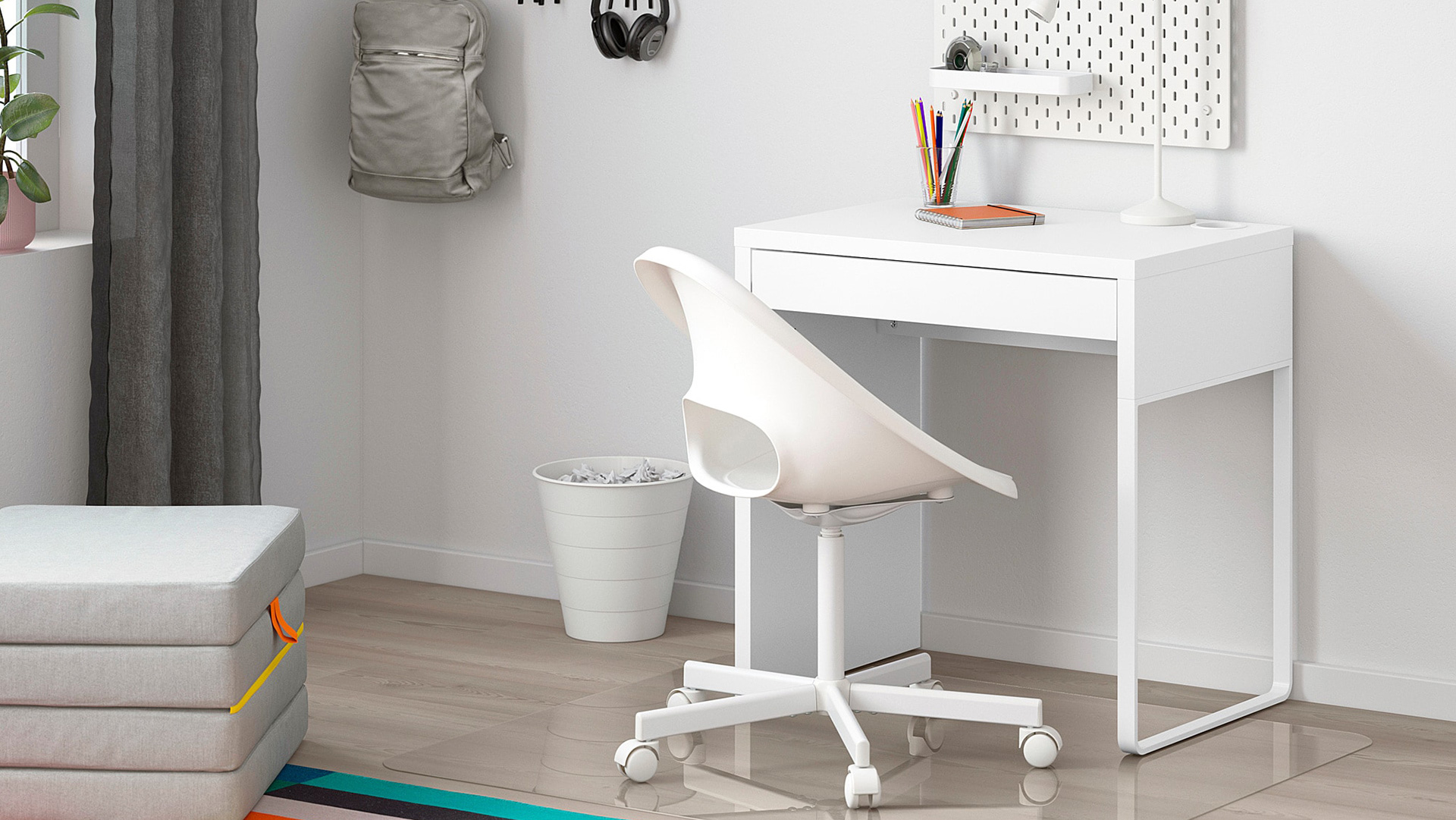
In a world where urban living spaces shrink and minimalist aesthetics reign, the traditional, hulking desktop is losing ground. Home offices are being integrated into kitchen corners and bedroom nooks. In these tight quarters, compact computer types are emerging as the ultimate solution—powerful enough to handle modern demands while small enough to fit in the tiniest shelf space.
Why Go Compact?
There’s a growing recognition that bulk doesn’t always equate to better. Compact computers are designed with efficiency in mind—both in form and function. Whether it’s for remote work, entertainment, or creative pursuits, users increasingly prefer tech that doesn’t dominate their surroundings. Sleekness, silence, and space-consciousness define this category.
Energy Efficiency Meets Minimalism
One notable benefit of compact computer types is their reduced power consumption. Smaller builds typically mean fewer fans, smaller motherboards, and reduced heat output, which translates to better energy use. These machines often utilize solid-state drives (SSDs) and integrated graphics, striking a balance between performance and sustainability.
The Types That Fit Just Right
1. Mini PCs
Arguably the most popular in the realm of compact computer types, Mini PCs are no longer just novelties. Brands like Intel NUC, Apple Mac Mini, and ASUS VivoMini pack astonishing capabilities into boxes no bigger than a paperback novel. Many models feature ample RAM, fast SSDs, and even ports for dual monitor setups.
Perfect for:
- Remote professionals with limited desk space
- Students living in dorms or shared apartments
- Home entertainment setups
2. All-in-One (AIO) Computers
All-in-One computers like the iMac or HP Pavilion AIO eliminate the tower altogether by integrating the CPU into the monitor. This elegant solution offers a clean, clutter-free workspace. Though slightly larger than a mini PC, the removal of a separate CPU unit makes it ideal for those who crave minimalism.
Perfect for:
- Design-conscious users
- Families needing a shared home computer
- Creative professionals in space-limited studios
3. Stick PCs
For ultra-lightweight tasks like web browsing, media streaming, or light document editing, stick PCs are a marvel. About the size of a large USB flash drive, these devices plug directly into a monitor’s HDMI port. They typically run on lower-end chipsets but can turn any screen into a functional workstation.
Perfect for:
- Travelers needing portability
- Digital signage displays
- Casual users wanting a secondary computing device
4. Small Form Factor (SFF) Desktops
SFF desktops strike a middle ground. They maintain some modularity and expansion potential but come in significantly reduced sizes compared to standard towers. Dell OptiPlex and Lenovo ThinkCentre models lead in this space, offering enterprise-grade performance without the floor-hogging footprint.
Perfect for:
- Small business offices
- Tech enthusiasts who still want upgrade options
- Gamers seeking stealthy rigs
Matching Compactness with Performance
Today’s compact computer types are not about compromise—they’re about intelligent engineering. With advancements in cooling technology, chipsets, and motherboard designs, these systems can deliver serious punch. Many support 4K displays, Bluetooth 5.0, Wi-Fi 6, and Thunderbolt 4, which means they’re future-proof and ready for productivity or play.
Considerations Before Buying
Before investing in a compact machine, consider your needs carefully:
- Performance vs. Portability: If you’re mostly browsing or editing documents, a stick PC may suffice. For heavy tasks like video editing or gaming, consider a high-end mini PC or SFF desktop.
- Connectivity: Make sure it includes essential ports like HDMI, USB-C, and Ethernet, especially if docking stations aren’t part of your plan.
- Upgradability: Some compact units are sealed; others allow SSD or RAM upgrades. Know which matters more to you—size or scalability.
- Noise and Thermals: Passive cooling means silent operation but can limit performance. Actively cooled systems may be louder but handle intense tasks better.
Final Thoughts
In the era of smart living, compact computer types are redefining how we interact with technology. They blend function, form, and finesse into accessible formats for virtually every user. Whether mounted behind a monitor or tucked neatly under a desk, these diminutive devices prove that sometimes, smaller truly is smarter.


